
From Hippocrates to PRIMAL CORE: The Forgotten History of Beef Tallow and Chios Mastic in Ancient Greece
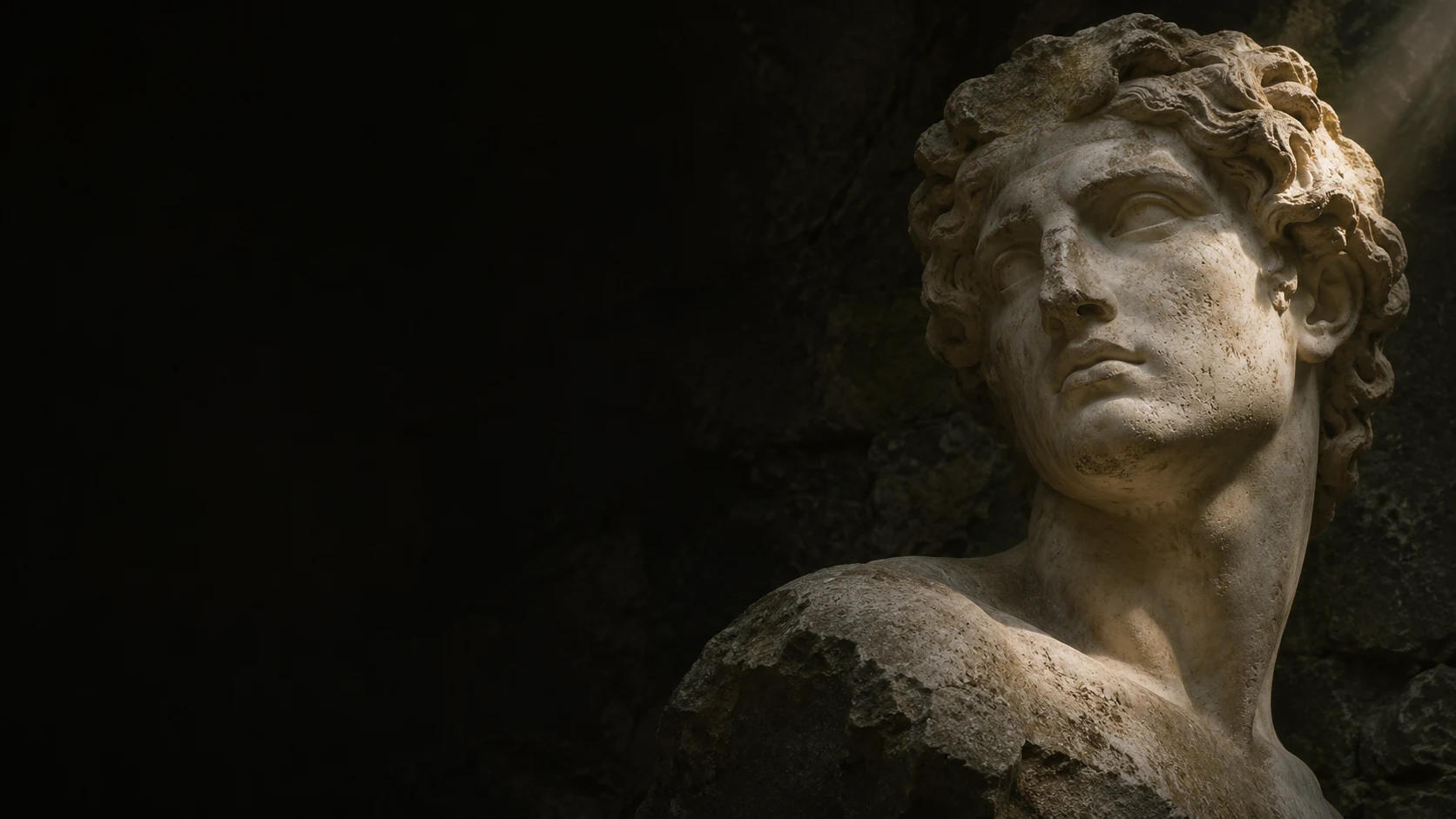
Before the modern beauty industry filled shelves with synthetic polymers and chemical preservatives, the ancient Greeks had already decoded skin biology. The modern ancestral skincare trend is not a new invention. It is a return to techniques and ingredients scientifically documented 2,500 years ago.
At the heart of this tradition are two powerful natural materials: purified animal fat (beef tallow, or ancient stear) and Chios mastic resin.
1. The ancient terms: “Stear”, “Pimele” and “Oesypus”
In ancient Greek medicine and cosmetics, fat was regarded as a valuable biocompatible carrier rather than a superfluous element. Ancient writers distinguished its forms precisely:
- Stear and pimele. In classical texts, pimele referred to soft fat, while stear meant the hard, purified fat of cattle, sheep and goats. In the Hippocratic Corpus (fifth–fourth century BC), stear is systematically recorded as a key ingredient in emollient poultices and healing ointments for burns, wounds and dry skin.
- Oesypus (ancient lanolin). The pharmacologist Pedanius Dioscorides (first century AD), in his monumental De Materia Medica (Book II, chapter 74), devotes an extensive entry to oesypus: fat extracted from unwashed sheep's wool. Dioscorides and later Galen (second century AD) recommended it for smoothing wrinkles, restoring irritated skin and nourishing the skin.
2. Chios mastic: the “tears” that brought radiance
While animal fat provided structure and deep hydration, ancient Greeks sought natural preservatives and active ingredients to protect the skin. The answer lay in southern Chios.
- Dioscorides' account. In De Materia Medica (Book I, chapter 70, entries on the mastic tree and mastic), Dioscorides praises Chios resin for its astringent, emollient and cleansing properties, noting that it “brings radiance to the skin”.
- The accounts of Herodotus and Theophrastus. As early as the fifth century BC, Herodotus mentions resin collection, while Theophrastus describes the uniqueness of the mastic-bearing tree (Pistacia lentiscus var. chia) in his Enquiry into Plants.
3. Preparation methods in ancient workshops
Ancient myrepsoi (perfumers and cosmetic makers) followed strict purification procedures so their ointments would not go rancid or develop a strong smell:
1. Melting and purification. As Dioscorides describes, they melted raw tallow over a low flame, strained it through linen and repeatedly “washed” it with clean water or wine. This removed proteins, leaving only pure, odorless lipid.
2. Warm infusion. They added ground Chios mastic, beeswax, iris root or rose petals to the purified fat. Mastic contributed not only a beautiful scent but also a strong antimicrobial action that kept the cream unchanged for months.
4. Historical trivia: what you may not know about ancient beauty
- The etymology of “cosmetology”. It comes from the ancient Greek verb kosmo (to arrange, adorn or bring order), directly linked to the concept of kosmos — harmony and balance.
- Ancient “pyxides”. Greek women stored their fatty ointments in small cylindrical boxes made of marble, boxwood or clay, called pyxides. The Greek term for the navigational compass later developed from pyxis, as early navigation instruments were placed in similar wooden boxes.
- The secret of Byzantine empresses. Centuries after classical antiquity, the Byzantine imperial physicians Oribasius (fourth century AD) and Aetius of Amida (sixth century AD) continued prescribing ointments based on animal fat and Chios mastic to the empresses of Constantinople to preserve youthfulness.
- The first “Galen's cream” (cold cream). Galen created Ceratum Galeni, the first moisturizing cream in history, by mixing animal fat or olive oil with beeswax and rosewater — a formula still taught in pharmacy today.
PRIMAL CORE: The ancestral formula today
Science today confirms what Hippocrates and Dioscorides knew empirically. Beef tallow has a lipid profile almost identical to human sebum, rich in fat-soluble vitamins A, D, E and K. The European Medicines Agency (EMA) has also officially recognized Chios mastic as a traditional herbal medicine for skin inflammation and healing minor wounds.
PRIMAL CORE revives this ancient Greek expertise. Without 30 incomprehensible chemical ingredients, artificial fragrances or unnecessary additives, we combine the pure base of beef tallow with authentic Chios mastic.
A concentrated, multifunctional balm that works in harmony with your biology:
- After shaving. Instantly soothes minor irritation thanks to mastic resin.
- After sun exposure. Restores the skin barrier and deeply nourishes.
- On dry skin. Absorbs without leaving a greasy feel, returning skin to its most resilient state.
Sources and bibliographic references
1. Hippocrates, On Ulcers and Diseases of Women (Hippocratic Corpus, fifth–fourth century BC) — References to tallow in healing and emollient preparations.
2. Pedanius Dioscorides, De Materia Medica (first century AD) — Book I, chapter 70 (mastic tree / mastic) and Book II, chapters 74–76 (oesypus and tallow).
3. Galen, On the Composition of Medicines According to Places (second century AD) — Records of emollient ointments based on animal fat and resins.
4. European Medicines Agency (EMA), Community herbal monograph on Pistacia lentiscus L., resin (mastix) (2015) — Official recognition for skin inflammation and wound healing.
Join the waitlist